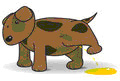
Pets have accidents and it is good to address them as soon as possible. Urine is probably the biggest issue because it soaks into the fabrics. Urine is also a rather sophisticated problem with respect to removal. When it is wet it is acidic and needs to be approached one way. When it dries, it turns into urine salts, an alkaline, and should be addressed in a different method than when wet. Also, when it is dry, the uric acid crystals absorb moisture from humidity in the air giving off the foul odor. That is why on humid days, a house can smell worse.
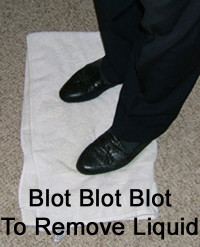 Dealing with Urine while it is wet — Blot, blot, and blot because removal is the first approach. Find a dry white towel and apply to the wet spot (colored or patterned towels run the risk of bleeding onto the carpet, rug or upholstery). Keep moving dry parts of the towel over the wet spot to remove as much as possible. After blotting, sprinkle baking soda on the urinated area. Baking soda will help absorb and neutralize the urine ph. After the baking soda has dried, vacuum it up thoroughly. (Note: baking soda may sometimes discolor fabrics, so you may want to test it on a non-conspicuous area of your rug, carpet or upholstery).

Dealing with dried urine — first identify the spots. Look for visible evidence like spots or discolorations. Also, a black light can be used to find the source. In a darkened room, the urine salts become fluorescent in the presence of ultraviolet light. However, the most available and practical method of locating urine problems is your nose. Don’t be afraid to get down on your hands and knees to find it. Once the spots have been identified, using 1/3 white vinegar with 2/3 water, spray it on the spot. You want to apply enough to get to the contamination in order to liquefy the urines salts. However, do not over wet the carpet especially with wood sub-floors. After applying the vinegar/water solution, remove as much of the moisture as possible by blotting as described above.
For more information, visit my website at www.graysoncleans.com




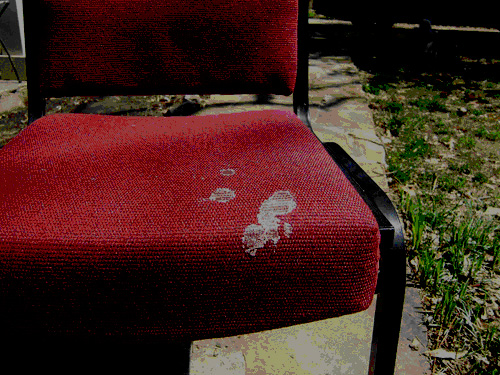
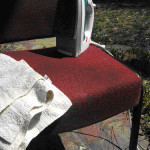 arm iron over the area. Once again, use the iron on warm setting. If it is too hot, you could damage or melt the fibers. You should see the wax transferring to the white towel. Repeat the process by putting a fresh part of the clean towel over the wax each time, until all the wax is gone. If wax residue remains, apply a small bit of dry-cleaning solvent and blot.

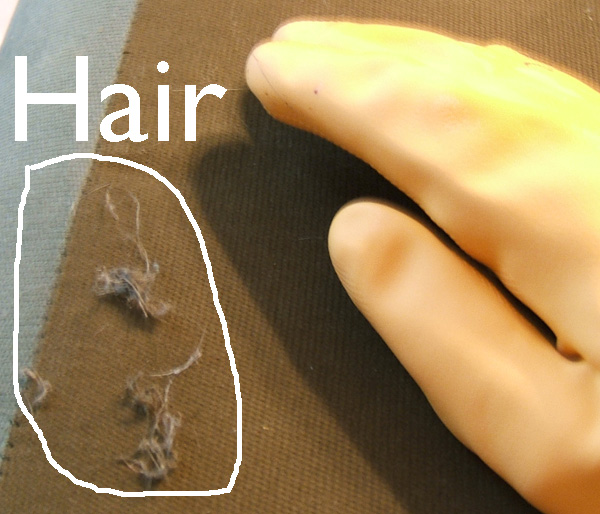

 Wool carpets and rugs are very durable but have you noticed that the fibers are getting picked up by your vacuum. Are you worried that the carpet or rug is degrading? Don’t worry. This is a natural characteristic of wool carpets and rugs.
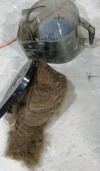 which is then woven into a yarn. Because the yarn is made up of millions of short fibers, there are millions and millions of ends of these fibers in the carpet. Kind of like split ends in a person’s hair. It is impossible to remove all of these loose ends in the construction process. The result is these ends come out or shed when vacuuming.
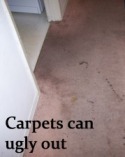 Once again, no need to worry. Wool carpets will not wear out from the loss of fiber. Just like any carpet/rug type, they can “ugly out” from use and abuse but they won’t fall apart. Also, the thicker the carpet yarn, the more likely you are to see shedding. Once again, no need to panic. The shedding should diminish with time but it will never go away completely. There will always be some fiber in the vacuum canister. Remember, this is normal.
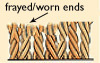 patterns are a result of concentrated foot traffic that is actually wearing the carpet away. Because the tops of the carpet fibers are being worn and frayed, they look dull. These frayed fibers will also absorb spills quicker and hold dirt more readily than non-worn areas. Therefore, more frequent vacuuming (daily would be great) of the traffic patterns will help them look better and last longer. Immediate blotting of any spills will help reduce the probability of them becoming permanent stains. Carpets that are rippling or buckling can be the result of different factors b
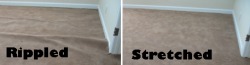 ut they can be easily and economically remedied by having the carpets stretched.